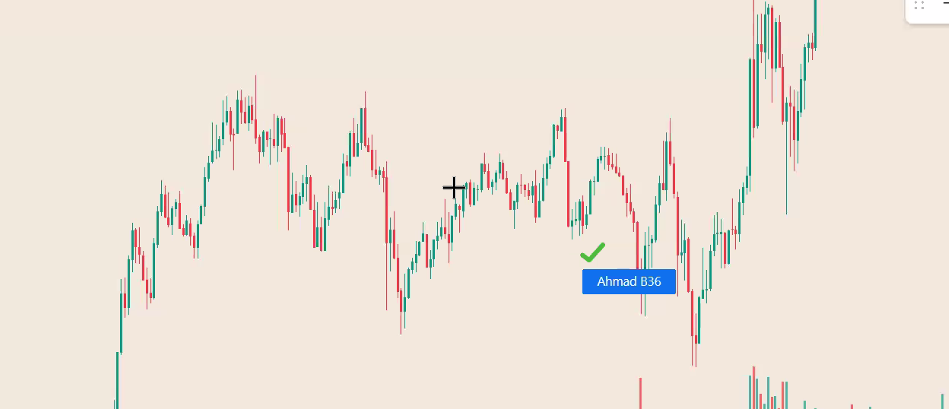
What is Liquidity
Liquidity (The Fuel of the Market)
Liquidity is the fuel that moves price.
Without liquidity, big players cannot enter or exit trades.
Price does not move randomly — it moves from one pool of liquidity to another.
Simply put:
👉 Where orders exist, liquidity exists
👉 Where liquidity exists, price is attracted
What Is Liquidity?
Liquidity is pending orders sitting in the market.
Every trader contributes liquidity, knowingly or unknowingly.
Examples of Liquidity:
- Stop Losses (SL)
- Take Profits (TP)
- Pending Buy/Sell Orders
- Swing Highs & Swing Lows
- Equal Highs / Equal Lows
- Range Highs & Range Lows
- Psychological Levels (00, 50, 100)
💡 Institutions need large volume, so they target areas where many retail orders are clustered.
Why Liquidity Is Important
Big institutions cannot just buy or sell at market — it would:
- Cause huge slippage
- Expose their intent
- Give poor entries
So instead, they:
- Push price toward liquidity
- Fill their orders using retail SLs
- Reverse price after liquidity is consumed
This is why:
❌ Breakouts often fail
❌ Perfect patterns get trapped
❌ Retail traders get stopped before price moves
Types of Liquidity
1. Buy-Side Liquidity (BSL)
- Above swing highs
- Above equal highs
- Above range highs
📌 Contains:
- Buy stop losses (from sellers)
- Breakout buy orders
👉 Price moves up to grab this liquidity
2. Sell-Side Liquidity (SSL)
- Below swing lows
- Below equal lows
- Below range lows
📌 Contains:
- Sell stop losses (from buyers)
- Breakdown sell orders
👉 Price moves down to grab this liquidity
Liquidity Sweep (Stop Hunt)
A liquidity sweep happens when:
- Price intentionally moves into a liquidity area
- Triggers stops
- Then fails to continue
- And reverses strongly
Key Characteristics:
- Fast spike or aggressive candle
- Long wicks (especially on higher TF)
- Volume expansion (VSA confirmation)
- Breaks structure briefly but does not hold
💡 Liquidity sweep ≠ true breakout
Liquidity Sweep vs Breakout
| Breakout | Liquidity Sweep |
|---|---|
| Closes above/below level | Wick through level |
| Retest holds | Retest fails |
| Continuation | Reversal |
| Low trapped volume | High trapped volume |
Retail sees breakout
Smart money sees liquidity
Liquidity at Swing Highs & Lows
Swing highs and lows are magnets for price.
Why?
- Retail places SL just beyond them
- Traders enter breakouts from them
That makes them:
High-probability liquidity zones
📌 The cleaner the swing → the more liquidity
📌 Equal highs/lows = even stronger liquidity
Liquidity + Market Structure
Liquidity works best when aligned with:
- Trend
- Structure (BOS / CHoCH)
- Higher Timeframe Bias
Example:
- HTF bearish
- Price sweeps buy-side liquidity
- Shows CHoCH
- Then drops
👉 This is smart money distribution
Liquidity + VSA (Advanced Edge)
Use volume to confirm liquidity grabs:
- High volume on sweep candle = stops triggered
- No follow-through = absorption
- Next candle opposite direction = entry clue
💡 Liquidity sweep without volume confirmation is weak.
Common Liquidity Traps (Retail Mistakes)
❌ Buying breakouts without confirmation
❌ Placing SL exactly at highs/lows
❌ Trading equal highs blindly
❌ Ignoring higher timeframe liquidity
Institutions expect these behaviors.
Golden Rules of Liquidity Trading
- Price moves for liquidity, not indicators
- Where traders feel “safe” = danger
- Equal highs/lows are magnets
- Liquidity first, direction second
- Wait for confirmation after sweep
Simple Liquidity Mindset Shift
❌ “Price broke resistance, I’ll buy”
✅ “Who is trapped above this level?”
❌ “Support failed”
✅ “Was sell-side liquidity taken?”


in this chart high probability zone is marked. there is fvg on left and price tap but we would not take immediate trade we will check for volume and climatic action bar formation. then our trade would be save
Market First Creates Liquidity, Then It Hunts
The market does not hunt liquidity randomly.
It first creates liquidity, then uses it.
Step 1: Liquidity Creation
Before any major move, the market encourages traders to enter positions.
It does this by:
- Forming clear support & resistance
- Creating equal highs / equal lows
- Moving in ranges
- Printing clean trends or channels
- Showing false confidence (breakouts, patterns)
📌 This phase is where retail participation increases
📌 More participation = more stop losses = more liquidity
Step 2: Liquidity Accumulation
As traders enter:
- Buyers place SL below lows
- Sellers place SL above highs
- Breakout traders place pending orders
This builds:
- Buy-side liquidity above highs
- Sell-side liquidity below lows
The longer price stays in one area → the more liquidity piles up
💡 Time = liquidity
Step 3: Liquidity Hunt (Sweep)
Once enough liquidity exists, price:
- Moves aggressively toward it
- Sweeps highs or lows
- Triggers stop losses
- Absorbs orders from trapped traders
This move is intentional, not emotional.
📌 Often happens:
- During London / New York session
- At key HTF levels
- After consolidation
Step 4: True Directional Move
After liquidity is taken:
- Smart money has positions filled
- Opposing traders are trapped
- Market has fuel to move
Now price:
- Shows CHoCH
- Breaks structure with acceptance
- Moves efficiently in one direction
👉 This is the real move, not the sweep
Why Retail Loses Here
Retail enters during liquidity creation
Retail exits during liquidity hunt
Institutions:
- Buy where retail sells
- Sell where retail buys
Key Observations (Instructor Notes)
- No liquidity → no big move
- Clean levels are designed, not accidental
- The market needs traders to be wrong
- Stop losses are necessary fuel
- “Too obvious” setups are often traps
One Powerful Rule to Remember
If liquidity is not created, it cannot be hunted.
So always ask:
- Where was liquidity built?
- Who is trapped?
- What liquidity was just taken?
Mental Shift (Very Important)
❌ “Price is breaking out”
✅ “Liquidity has been built — hunt is coming”
❌ “Market is ranging”
✅ “Market is preparing fuel”
Internal Vs External Liquidity
- Internal Liquidity: Orders of Smart Money
- Orders of the smart money
- They come from POIs order blocks/ breaker blocks/ fvgs as there are some smart money orders left
- External Liquidity (SL hunting):
- Retailers SL and TP
- Types of External Liquiduty
- Buy Side liquidity. above swing high
- sl above swing highs
- Sell Side Liquidity. below swing low
- Buy Side liquidity. above swing high
- Daily liquidity. Liquidity of candles
- Session liquidity. High Low of session liquidity
- Trend line liquidity. Sls of trend line
- Range Liquidity
- Pattern Liquidity
- Double Top Double Bottom
Where it exists

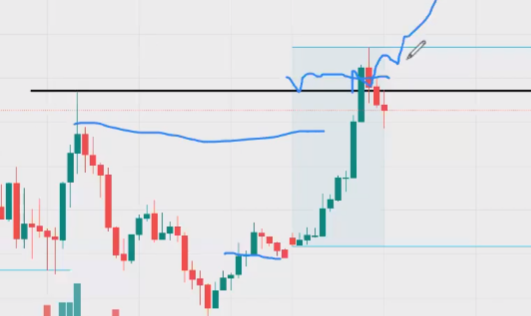
High Time Frame Liquidity
High Time Frame liquidity is very imp as alot of swing order traders are present there
Session Liquidity
trend line liquidity
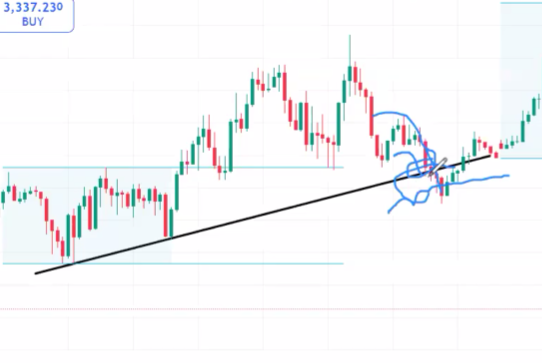
How to use it.
We find Daily liquidity if markey sweeps daily liq then we try to find reversal trade by confirmation

Equal High Pattern Liquidity Example. Equal highs can be in any of above configuration
equal highs are created to create liquidity

retailers are placing sl above.
downward slopping equal highs are high probability setups
Either we target liquidity from below. or we find reversal trades from double top as market will react due to orders

in upward slope equal highs market has already taken liq of first high.

double tops or bottoms acts as magnet
Sell/Buy Side Liquidity

after taking sell side liquidity then more chances are it will take buy side liquidity now

First market will create liquidity then it will hunt it

liquidity created by market by making almost equal bottoms. it came back to hunt them
If market is to sell from some strong level then it will create liquidity first

High Probability Zone
How market reverse
- market taps strong POI due to internal liquidity
- market reverse after strong external liquidity taking

external vs internal
when above both reasons combine then its high probability zone

external liq hunting

internal liquidity hunting
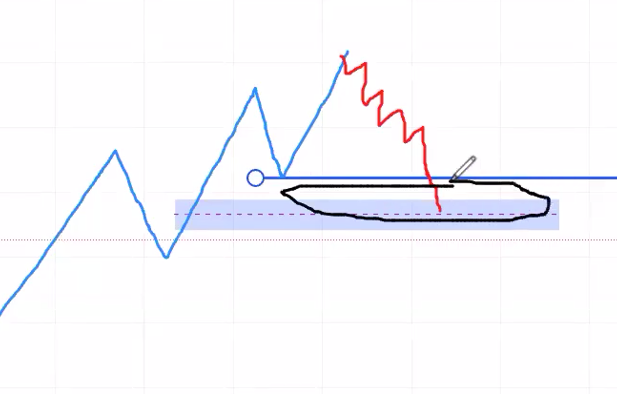
high probability zone as market has 2 reasons to revers. internal liq and external. internal as there might be an order block or fvg here which is structural and in box we have external liquidity.

daily time frame. external liquidity taken but before that internal was created to hunt

another high probability zone